
"coffee export decline"
2000 article(s) found

The earliest export port of Yemeni coffee mocha
Yemeni coffee, a well-known coffee named after a port in Yemen. The most familiar mocha coffee. When the word appears on the recipes of bags and cafes, the meaning is different. The former refers to the port where coffee beans are exported, while the latter refers to a kind of coffee. Strictly speaking, coffee beans exported from the port of Mocha in Yemen can be called mocha coffee. Later, the port

Boutique Coffee | the course of boutique coffee in Ecuador
Coffee was introduced into Ecuador's Manabi province in the 1860s and became one of Ecuador's main exports in the 1950s and the second most valuable crop in Ecuador in the early 1980s. Ecuador produces Arabica coffee and Robusta coffee; the former is on the west coast and the south, while the latter is mainly in the north. The whole of the 1990s

The coffee producing area of Tanzania
Due to political instability and rampant diseases and insect pests, the coffee industry in Tanzania has been damaged, leading to a decline in the overall level of coffee and instability in quality, which in turn lead to lower prices, which are usually the result of a further decline in the coffee industry. What's more, it is estimated that more than 12% of the Arabica coffee grown in northern Tanzania from 1969 to 1985 was smuggled.

Ranking of domestic coffee brands-development trend of Chinese coffee beans-reasons for cheap sale of domestic coffee beans
Professional coffee knowledge exchange more coffee bean information please follow the coffee workshop (Wechat official account cafe_style) Pu'er domestic coffee bean output reached the highest in 2016, reaching 900000 bags. The coffee grown in Pu'er has a short history and only became popular in the 1980s. Most of the varieties should be Kadim. The second and third in Baoshan are Lincang, the fourth is Dehong, and the fifth is Banna. Red River
Boutique single Yemeni coffee beans
Yemeni Coffee Mocha is the earliest export port of Yemeni coffee beans, a well-known coffee named after a port in Yemen. The most familiar mocha coffee. When the word appears on the recipes of bags and cafes, the meaning is different. The former refers to the port where coffee beans are exported, while the latter refers to a kind of coffee. Strictly speaking, exported from the Yemeni port of Mocha
Coffee from Tanzania
Due to political instability and rampant diseases and insect pests, the coffee industry in Tanzania has been damaged, leading to a decline in the overall level of coffee and instability in quality, which in turn lead to lower prices, which are usually the result of a further decline in the coffee industry. What's more, it is estimated that more than 12% of the Arabica coffee grown in northern Tanzania from 1969 to 1985 was smuggled.
Indonesia's coffee bean exports may fall to their lowest level in years this year.
In a survey of exporters and processing plants, Bloomberg found that Indonesian coffee bean exports are likely to fall 14 percent this year to 385,000 metric tons (6.42 million bags), the lowest since 2011, as domestic processing plants expand procurement. And rainfall could reduce production by 10% to 595 million metric tons (9.92 million bags) this year. Soemita, director of the Indonesian Coffee Export Business Association, pointed out that coffee beans
Yemeni coffee mocha coffee boutique coffee
Yemeni Coffee Mocha is the earliest export port of Yemeni coffee beans, a well-known coffee named after a port in Yemen. The most familiar mocha coffee. When the word appears on the recipes of bags and cafes, the meaning is different. The former refers to the port where coffee beans are exported, while the latter refers to a kind of coffee. Strictly speaking, exported from the Yemeni port of Mocha

Slightly bitter Cuban Crystal Mountain Coffee Flavor description Baking degree introduction of varieties Grinding degree
In the early 20th century, the number of coffee shops in Havana once exceeded 150, but that number has declined year by year since then, due to a decline in Cuban coffee production and an increase in the proportion of rum and sugar exports. Former Cuban President Fidel Castro unified the coffee industry under the ownership of the state during the 1959 Cuban Revolution and asked the country to increase its efforts to grow edible crops.

Characteristics of Tanzanian coffee flavor of Tanzania coffee
Due to political instability and rampant diseases and insect pests, the coffee industry in Tanzania has been damaged, leading to a decline in the overall level of coffee and instability in quality, which in turn lead to lower prices, which are usually the result of a further decline in the coffee industry. What's more, it is estimated that more than 12% of the Arabica coffee grown in northern Tanzania from 1969 to 1985 has gone.

Characteristics of Tanzania coffee beans Tanzania coffee producing areas
Due to political instability and rampant diseases and insect pests, the coffee industry in Tanzania has been damaged, leading to a decline in the overall level of coffee and instability in quality, which in turn lead to lower prices, which are usually the result of a further decline in the coffee industry. What's more, it is estimated that more than 12% of the Arabica coffee grown in northern Tanzania from 1969 to 1985 has gone.

The Flavor characteristics of Tanzanian Coffee
Due to political instability and rampant diseases and insect pests, the coffee industry in Tanzania has been damaged, leading to a decline in the overall level of coffee and instability in quality, which in turn lead to lower prices, which are usually the result of a further decline in the coffee industry. What's more, it is estimated that more than 12% of the Arabica coffee grown in northern Tanzania from 1969 to 1985 was smuggled.
Yemeni mocha coffee history, culture, characteristics, industry development
Yemeni coffee, a well-known coffee named after a port in Yemen. The most familiar mocha coffee. When the word appears on the recipes of bags and cafes, the meaning is different. The former refers to the port where coffee beans are exported, while the latter refers to a kind of coffee. Strictly speaking, coffee beans exported from the port of Mocha in Yemen can be called mocha coffee. Later, the port

Global coffee producing area-Tanzania
Due to political instability and rampant diseases and insect pests, the coffee industry in Tanzania has been damaged, leading to a decline in the overall level of coffee and instability in quality, which in turn lead to lower prices, which are usually the result of a further decline in the coffee industry. What's more, it is estimated that more than 12% of the Arabica coffee grown in northern Tanzania from 1969 to 1985 was smuggled.

Tanzania coffee flavor, Tanzania coffee bean introduction
Following Cafe (vdailycom on Wechat official account) found that due to political instability and rampant diseases and insect pests, the coffee industry in Tanzania has been destroyed, leading to a decline in the overall level and instability of coffee quality, which in turn lead to lower prices, which are usually the result of a further decline in the coffee industry. What's more worth mentioning.

Coffee producing countries in Tanzania and Africa
Due to political instability and rampant diseases and insect pests, the coffee industry in Tanzania has been damaged, leading to a decline in the overall level of coffee and instability in quality, which in turn lead to lower prices, which are usually the result of a further decline in the coffee industry. What's more, it is estimated that more than 12% of the Arabica coffee grown in northern Tanzania from 1969 to 1985 was smuggled.

Introduction to the Flavor of Fine Coffee beans in Manor
Due to the unstable political situation and rampant diseases and insect pests, the coffee industry in Tanzania has been damaged, resulting in a decline in the overall level and instability of coffee quality. these problems lead to lower prices, which are usually the result of a further decline in the coffee industry. It is worth mentioning that it is estimated that from
Boutique Coffee basic knowledge Coffee from Tanzania
Due to political instability and rampant diseases and insect pests, the coffee industry in Tanzania has been damaged, leading to a decline in the overall level of coffee and instability in quality, which in turn lead to lower prices, which are usually the result of a further decline in the coffee industry. What's more, it is estimated that more than 12% of the Arabica coffee grown in northern Tanzania from 1969 to 1985 was smuggled.
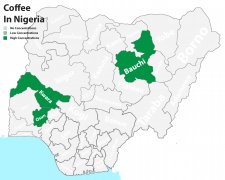
Explore the coffee industry in Nigeria () Nigeria coffee bean flavor production development story and brand
Coffee was first introduced to Nigeria in the late 19th century and first recorded exported in 1896. Coffee has been a major cash crop for farmers in the country for decades. However, into the 21st century, coffee production in the country began to decline. Although Nigeria farmers planted about 89,000 60-kilogram bags of coffee in 2006, that number

Introduction of pure flavor Tanzanian coffee varieties taste manor boutique coffee beans
Due to political instability and rampant diseases and insect pests, the coffee industry in Tanzania has been damaged, leading to a decline in the overall level of coffee and instability in quality, which in turn lead to lower prices, which are usually the result of a further decline in the coffee industry. What's more, it is estimated that more than 12% of the Arabica coffee grown in northern Tanzania from 1969 to 1985 has gone.